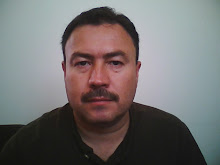
Datos personales

Mi foto
Since he was six years old, he grew up in the Methodist Church in Piedras Negras, Mexico. He was one of the founders of the Youth League in the early 80's. After several years in the youth leadership of the league and the Youth district, God called him to the ministry entering the seminary even with 17 years old. In 1992, He graduated of BA in theology at the John Wesley Methodist Seminary in the City of Monterrey. In 1991 he started his studies in the Methodist Conference and was ordained elder in 1995. He has studied many courses in theology, pastoral care and received his certification as a chaplain. It has over two decades of experience in pastoral work in northern Mexico and the United States. He has been teacher of conferences and trainer of many courses to pastors, and a enthusiastic preacher in the U.S. and Mexico. Always preaching the gospel and leading the Latin people to serve God through the gifts and ministries that God has given to His Church.

LLamado

Desarrollando Lideres para la Gloria de Dios. Dios me ha llamado al desarrollo de lideres y de ministerios. La iglesia de Jesucristo esta siendo llamada a servirle! Para cumplir esta tarea, cada creyente tiene la responsabilidad de ser perfeccionado para alabanza de Dios. El desarrollo de lideres requiere un compromiso constante aun mayor que el que existente en un proceso de discipulado. Mi deseo es que este blog te ayude en ese proceso, en tu crecimiento y en tu servicio a Dios.

God called me to train and develop better leaders and ministries to serve better the Church of Jesus Christ. The Church is called to serve and ministry this world that is in crisis. To accomplish this task, every believer has a responsibility to be perfected to the praise of God. Leadership development requires sustained commitment even greater than that existing in a process of discipleship. My hope is that this blog help you in this process, your growth and your service to God.


Mira que te mando que te esfuerces y seas valiente; no temas ni desmayes, porque Jehová tu Dios estará contigo dondequiera que vayas. Josue 1:9


jueves, 23 de agosto de 2012

Cuidado Pastoral y la muerte de un hijo.


Introducción: Richard Osmer en su libro Teología Práctica: Una introducción está hablando de una mala experiencia cuando él comenzaba su ministerio y tratar de implementar un programa de escuela dominical (pp. 3-5). Si el hubiera sabido de la importancia de la Teología Práctica, no hubiera tenido ningún problema ni errores en esos años. Este es un maravilloso ejemplo de lo que pasa cuando no sabemos cuál es la importancia de la teología práctica. Los pastores, iglesias, comunidades religiosas y todos los involucrados en la religión, todos nosotros estamos relacionados con la teología práctica de un modo u otro, queriendo o no queriendo, porque la teología práctica está relacionada con todos los ministerios adentro y fuera de la iglesia.

En este ensayo quiero hablar sobre la atención pastoral necesaria para ministrar a las vidas de aquellos que han perdido un bebé o un niño, y han esperado con ansiedad y amor, pero al final no reciben el bebé. Por lo tanto, vamos a aplicar la teología pastoral en una zona aparentemente fuera de la iglesia, pero relacionado con el cuidado pastoral. Este cuidado pastoral se da en todas partes requerido: iglesias, hospitales, ejército, escuelas, fábricas, comunidades, etc.

La idea en este escrito es aplicar un método enseñado por Debbie Creamer, Profesora del Seminario Iliff de Denver CO. Este método comienza con una preocupación teológica específica o determinada en forma de pregunta o problema. Segundo, hay que describir la práctica. Tercero, hay que hacer una reflexión y análisis critico sobre este problema. Cuarto, tenemos que ver qué recursos están disponibles para nosotros y ver cómo podemos utilizarlos para resolver este problema. El último paso de este método consiste en hacer una conversación entre esta práctica y todos los recursos disponibles y ver cómo podemos llegar a resoluciones prácticas o acciones para resolver este problema.

Preocupación teológica:  La cuestión teológica y preocupación he identificado es sobre el dolor que he visto en muchas personas cuando han perdido a un ser querido, pariente, o amigo. Por mi posición como pastor, he tenido que estar cerca de muchas personas que han perdido a un familiar, pariente o amigo y se que es una situación muy triste e impactante que deja heridas que no sanan de la noche a la mañana. Los pastores, miembros de la iglesia, amigos, compañeros de trabajo y otras personas, todos nosotros, que estamos cerca de la gente que ha tenido la perdida de su ser querido todo ese tiempo del funeral, pero, que es lo que ellos experimentan después del funeral? ¿El sufrimiento de estas personas terminan con el funeral? ¿Por cuánto tiempo van cargando ese luto y esa pena? ¿qué tan largo será ese  tiempo de sufrimiento? Hasta cuando termina ese sufrimiento?

En el tiempo que estuve trabajando en un hospital, muchas veces mire a madres llorando porque perdieron sus bebés y experimentaron un gran sufrimiento. En ese tiempo, mi trabajo como capellán era el orar por la gente de allí, principalmente el cuidado espiritual de los pacientes de mi unidad designada, y llenar un formulario en papel para nuestras estadísticas, hablando de todas las personas a las que servimos como capellanes y describiendo como termino esa situación con el paciente. Después de eso, dejamos que la gente regrese a su casa y nunca mas los volvemos a ver. Tengo otra pregunta aquí: ¿El sufrimiento que ellos tienen por la enfermedad y perdida de su ser querido, ese sufrimiento desaparece cuando oramos por ellos? ¿Qué pasó cuando estas familias o madres regresaron a sus hogares? ¿Sus sufrimientos desaparecen o se quedan con ellos? ¿Cumplí con mi trabajo cuando oré por ellos y los deje ir? ¿O es que ellos necesitan más ayuda y apoyo, ahora que están en casa?

Cuando yo estaba pensando en la situación de estas mujeres y sus maridos que perdieron a sus bebés, y en todo el sufrimiento y las luchas que tienen después de haber sido dados de alta del hospital, yo pensé que estas situaciones aparentemente no son mi responsabilidad, pero la realidad es que ellos siguen sufriendo y como capellanes no estamos allí para ayudar a aliviar el dolor. Esta situación me abrió los ojos a otro mundo: El mundo del sufrimiento, el mundo de las personas que han tenido desgracias y necesitan más ayuda y consuelo de lo que podíamos imaginar. Inclusive esta situación tiene muchas implicaciones teológicas: ¿Como capellanes y encargados del cuidado pastoral, terminamos nuestro trabajo cuando oramos por la gente en el hospital? ¿El dolor y sufrimiento de esta gente termina cuando oramos por ellos? ¿Cuánto dura el período de luto y duelo en personas que han tenido la perdida de un ser querido? Como capellanes o consejeros, es nuestra responsabilidad el brindar cuidado pastoral hasta la casa donde viven? ¿Cómo cambia la vida de las personas que tienen este sufrimiento? ¿Cuándo termina el cuidado pastoral? Además, si pensamos en los niños, ¿por qué las personas pierden sus bebés? ¿Por qué mueren los niños? ¿Dónde está Dios en esos momentos?

La idea de este trabajo, mi pregunta teológica y la preocupación es hablar profundamente sobre el servicio de asistencia prestado a los padres que han tenido un bebé nacido muerto o la muerte de un bebé recién nacido o un aborto involuntario. Muchos hospitales tienen programas especiales para el cuidado de los bebés, pero ¿qué pasa con los padres que pierden a sus bebés? ¿Les damos atención pastoral cuando se les ha dado de alta del hospital? ¿Cuáles son sus necesidades? ¿Hay seguimientos en sus necesidades cuando salen del hospital? Etc. La verdad es que estas personas no reciben apoyo espiritual ni atención cuando se han sido dados de alta del hospital. Hay muchas  preguntas relacionadas con esta situación, pero el foco de mi preocupación teológica es acerca de la atención que los padres y las madres no han recibido después de abandonar el hospital.

Describir la situación problemática actual:  Recuerdo la época en que yo era capellán en el Hospital General Parkland de Dallas TX durante un año, y todos los viernes yo era el único capellán en el hospital durante 8 horas, entre las 3 de la tarde hasta las  11 de la noche. Al principio, muy seguramente por la emoción de estar ahí en esa posición como capellán, yo pensaba que todo era bueno y que todo estaba bien, porque yo disfrutaba de mi tiempo allí en el hospital. Después de unas semanas, comencé a ver todas las situaciones en el área de recién nacidos. Cuando teníamos un recién nacido, todo era felicidad, pero cuando perdíamos a algún bebe, yo tenía que estar allí por mi responsabilidad como capellán y debía consolar a los padres y orar por ellos. El trabajo era sencillo y cómodo, solo había que orar por ellos. Muchas veces mire el dolor de una madre que al final de su embarazo les nacía su bebé muerto, y en otras ocasiones, otras mamas perdían su bebé en un aborto involuntario.

En este punto creo que es importante aclarar que no estoy hablando del aborto voluntario. El aborto es un derecho legal que tienen las mujeres a interrumpir su embarazo voluntariamente, por el motivo que este sea. En este escrito voy a hablar sobre el aborto espontáneo o aborto involuntario debido a que el enfoque de este trabajo se relaciona con el sufrimiento o el dolor de los padres que tuvieron un bebe nacido muerto. A los bebés nacidos antes de tiempo o bebés prematuros, también se les llama embriones o fetos. Yo respeto la decisión de la mujer o la decisión de la pareja, cuando estos han decidido el practicar un aborto voluntario.  Si ambos en la pareja, o la mujer, han decidido por el aborto voluntario, es una decisión que ellos están tomando, sin importar las razones que los lleven a tomar esta decisión, en este momento ella o ellos están decidiendo sobre el aborto. Sí, hay dolor en esta situación, pero no se puede comparar con el dolor y el sufrimiento de una mujer o de los padres que están esperando ansiosamente la llegada de su bebé, y este no llega! Por eso voy a hablar sólo sobre el aborto espontáneo, también llamado aborto involuntario.

Reflexión y análisis critico sobre este problema:  Hablando de mi experiencia como capellán en el Hospital General Parkland en Dallas TX, un hospital inmenso, siempre al servicio de la comunidad por la cantidad de gente que ahí llega. Cada hospital tiene un lugar importante en cada ciudad, porque las personas que necesitan ayuda medica llegan a estos lugares con desesperación buscando ayuda en medio de su crisis o enfermedad. Vi que nunca en un hospital se puede dormir, porque siempre hay movimiento en cada área las veinticuatro horas del día. Los médicos y las enfermeras están muy involucrados en sus responsabilidades y hay mucha gente en el hospital, incluidos los pacientes y sus familias. Además, gran parte del tiempo no hay contacto entre los médicos y las enfermeras con los pacientes o sus familias. La razón es porque el capellán tiene una gran responsabilidad ya que está en medio, entre los trabajadores médicos y los pacientes, incluidos,  sus familiares.

La mayoría de los hospitales en los Estados Unidos, y algunos pocos hospitales en México, cuentan con un Departamento de Atención Pastoral, o Unidad de Cuidado Pastoral u oficina de capellanía, y a través de esta oficina se ofrece cuidado pastoral o apoyo espiritual a todos los pacientes y sus familias. Además, hay una capilla, que es un lugar similar a un templo, santuario o catedral, un lugar espiritual, donde la gente puede ir con deseo de pasar tiempo orando o meditando o en presencia de Dios o con ellos mismos, meditando. Los pacientes regularmente no pueden ir a estos lugares, pero los capellanes están ahí en hospital precisamente para visitarlos y darles el cuidado espiritual que ellos necesitan. Caso contrario con los parientes, familiares o amigos, ellos tienen la libertad de ir y buscar el apoyo espiritual que necesitan en esos momentos, y la capilla esta disponible para ellos.

Los capellanes son los que realizan el cuidado espiritual en el hospital. Ellos brindan el apoyo espiritual y apoyo que los pacientes y sus familias necesitan. Sin duda, los capellanes tienen una gran responsabilidad en la curación de las personas, porque en su trabajo se unen las áreas de lo espiritual y la salud física de los pacientes. Esta área se encuentra bajo la teología práctica y la gente con una rica espiritualidad lo desarrolla. No importa cual tradición religiosa o denominación, siempre habrá gente en los hospitales que requieren apoyo espiritual. Diferentes creencias y tradiciones religiosas están presentes en la vida de un hospital y los capellanes tienen la responsabilidad de atender a cada persona de acuerdo a sus necesidades respetando su religión y prácticas espirituales. Esto nos habla de la apertura de pensamiento, madurez, conocimiento y crecimiento espiritual de cada uno de los capellanes. Para algunos, piensan que debí de haber incluido la palabra cristiano o cristianismo, o algo relacionado con esto; pero la realidad no la incluí porque en Estados Unidos hay capellanes de todas las religiones y denominaciones posibles. Es de esta manera porque cada paciente en un hospital tiene un trasfondo religioso diferente. Esta es la diversidad que se vive en nuestros vecinos del Norte.  

La muerte de bebés o de personas es algo que no respeta las tradiciones religiosas, ni la edad de la gente, ni el color de la piel o sus idiomas. La muerte de los bebés es una cruel realidad en todos los hospitales, y por consecuencia, hay muchas madres y padres que sufren por ello. Hay muchas implicaciones teológicas de la muerte de los bebés, ya que un bebé significa la felicidad y la esperanza de una madre o de una pareja. Los padres, madres y esposos están esperando ansiosamente la llegada del bebé, y en esta situación el bebé no llega porque hubo problemas inesperados, y resultaron con la muerte de un bebe. Cada religión o denominación tiene sus propias ideas sobre el porque Dios permite la muerte de los bebes; mi interés no es hablar sobre este tema (en si es un tema para otro escrito!), sino de la realidad, la muerte de estos bebes que ocasionan sufrimiento a las vidas de las madres o padres.

El embarazo puede ser un momento difícil para muchas mujeres o parejas, pero lo peor viene cuando pierden su bebé. Muchas veces hay problemas desde el primer mes, otras veces los problemas llegan al final de la gestación, y ambos de los casos se pierden los bebés antes de nacer o cuando nace. Esto es una tragedia para los padres, sobre todo para las madres. Después de la muerte del bebé, los padres o madres tienen que pasar un corto tiempo en el hospital y preparar el funeral de su bebé. En estas circunstancias el hospital se convierte en una de las peores experiencias de sus vida. Aquí es cuando los capellanes tienen que estar presentes y dar la ayuda y el apoyo necesarios para esa situación. Los padres que han perdido un hijo inesperadamente necesitan atención pastoral importante para ayudar a mitigar el dolor y sufrimiento en su tiempo de luto.

Identificación y utilización de recursos:  Ahora es importante mencionar algunos de los recursos disponibles para el análisis, el estudio y las soluciones necesarias a esta necesidad. Aunque estemos hablando de la teología practica, o de la aplicación de métodos en el análisis de un problema, lo mas importante es la problemática descrita porque ahí es donde hay vidas que están pasando por el dolor y sufrimiento. Hay muchos tipos de recursos disponibles: recursos humanos, instalaciones, programas, recursos espirituales o religiosas, incluso recursos de tipo financiero, etc. Sin embargo, quiero centrar mi atención sólo en los siguientes recursos disponibles para el análisis de esta problemática: Hospitales, departamentos de cuidado pastoral, capellanes, familias y parientes, iglesias , grupos de apoyo, lugares sagrados y sus líderes.

Los hospitales son el lugar donde suceden muchas cosas. Mucha gente llega allí con la crisis, enfermedades, problemas de salud, o accidentes, y con ellas llegan los familiares, parientes o amigos a acompañarlos en esos momentos. Sí, los hospitales están cumpliendo con las necesidades médicas de todos los pacientes, pero también están haciendo más cosas. No podemos generalizar, pero la mayoría de los hospitales cuentan con una oficina de ayuda financiera para apoyar a quienes tienen menos recursos disponibles, tienen traductores, trabajadores sociales, apoyo y ayuda especial con las enfermeras y otras personas. También hay programas especiales en diferentes áreas, y muchos hospitales tienen una unidad, oficina o departamento de Pastoral o Capellanía. Esto demuestra que los hospitales no están sólo interesados ​​en el área médica, sino que también están interesados en la curación total de los pacientes. Es decir, se mira la salud de los pacientes de una manera integral.

Muchos hospitales tienen una unidad de cuidado Pastoral con muchos capellanes o personas a cargo, gente con una rica espiritualidad y de diferentes tradiciones religiosas. Todos estos capellanes o consejeros, o pastores, etc. están dispuestos a dar el apoyo pastoral y atención espiritual a todas las personas en el interior del hospital. Los capellanes tienen la responsabilidad de visitar a la gente de cada unidad, o área, o piso y ver cuáles son las necesidades de la gente; también, los capellanes están ahí para ayudar y apoyar a las personas en sus necesidades espirituales. Muchas de estas personas van a morir, y antes de morir se requerirá una gran cantidad de atención y apoyo, así como a sus familias, que sufren junto con sus enfermos. No importa lo que está pasando con la gente, los capellanes están allí porque son un recurso ofrecido por los hospitales.

Muchos hospitales tienen un programa especial llamado Hospicio, donde se ofrece una atención especializada a las personas que están muriendo o que están sin esperanza, o que han sido desahuciados por la ciencia medica y los médicos. Los pacientes en esta unidad pasan sus últimos días de su vida llenos de cuidados y atenciones en esa unidad de hospicio o en el área de cuidados intensivos. Sin duda, estas personas están muriendo y necesitan cuidados especiales, ellos y sus familias necesitan ayuda y apoyo. Los hospitales a través de este programa ofrecen atención a los pacientes y sus familias de diferentes maneras. Hay muchos hospitales que ofrecen el cuidado pastoral, incluso cuando el paciente regresa a casa. Bajo este programa, las enfermeras y capellanes van a las casas de estos pacientes y les dan la atención y el apoyo espiritual que necesitan. Esta es una de las ventajas de estar dentro de este programa, que quienes están, reciben apoyo espiritual en medio de su dolor y sufrimiento, en el hospital o en sus hogares.

La familia de un paciente, ya sea familia cercana o familiares lejanos, incluso los amigos íntimos y personales del paciente, en otras palabras, todas esas personas alrededor del paciente, son otro de los recursos disponibles en este caso. Estas personas están con sus pacientes todo el tiempo dentro del hospital para darles ayuda y apoyo y acompañarlos en sus últimos momentos. En el libro de Esteban Montilla y Medina Ferney, "Cuidado Pastoral y Consejería con los latinos / as: Cuidado Pastoral creativa", (aunque está enfocado a los Latinos), tiene muchas ideas que se podrían aplicar en el cuidado pastoral a todo el mundo que nos rodea , no importa la raza o color de la piel o el idioma. Montilla dice que la familia, los parientes, los amigos, la gente de la comunidad en torno a la atención de asilo o el paciente, cada uno de ellos es un agente de curación (p. 43). Este punto es importante porque la familia y la comunidad son importantes en la recuperación de las personas que han sufrido una pérdida y se encuentran en un momento de duelo.

Las iglesias y las comunidades religiosas son otro recurso. Los llamamos iglesias, congregaciones, grupos de fe, santuario, templos, capillas, etc., aunque los llamamos de muchas maneras, estos lugares sagrados son llamados a ser luz para toda la gente que está sufriendo. Las madres y los padres que han perdido un bebé necesitan el apoyo espiritual de sus propias congregaciones. Cada iglesia tiene diferentes programas de acuerdo a sus propias necesidades y el enfoque de ministerio. En estas comunidades también tenemos líderes: pastores, sacerdotes, predicadores, etc. todos ellos son líderes religiosos y tienen la capacidad para dar asesoramiento o consejería. También hay consejeros profesionales y otros recursos en la comunidad donde las iglesias son, por ejemplo: psicólogos, trabajadores sociales, los programas de la comunidad, grupos de apoyo, etc.

Conversación entre la problemática teológica y los recursos disponibles:  Creo que tenemos que unificar todos los recursos disponibles y trabajar juntos en el cuidado pastoral y el apoyo necesario para las madres y padres que han perdido a sus bebés. Cuando usted ha tenido una experiencia traumática en un hospital o la pérdida de alguien, seguramente usted va a necesitar mucho tiempo para la recuperación. Christine Longaker en su libro Facing Death and Finding Hope: Una guía para el cuidado emocional y espiritual de los moribundos, (Titulo en Ingles) nos muestran su experiencia después de que murió su esposo, como el más difícil período de su vida (p. 12). Entonces, ¿Podríamos imaginarnos el dolor de una madre que ha perdido a su bebé? Hospitales, Unidades de cuidado pastoral, capellanes, iglesias, líderes religiosos, la familia y la comunidad, cada uno de ellos tiene un papel importante en la recuperación de aquellos que han perdido a sus bebés.

Carrie Doehring en su libro La Práctica de la Atención Pastoral: Un enfoque posmoderno, ella menciona que como capellanes o consejeros tenemos que interpretar las señales emocionales o estados de animo de la persona que esta necesita el cuidado pastoral (p.39). Este punto es importante cuando se trabaja como capellán en un hospital. Si una madre perdió a su bebé, hay que ver como esta su estado emocional y si necesita más ayuda! Sí ella va a ir a casa porque el hospital ya le dio su salida, pero ella no está bien internamente o psicológicamente, ella necesita ayuda! Ese es uno de los puntos que debemos verificar como capellanes o consejeros y ver como podemos proporcionar la ayuda que esta persona necesita. Doehring también habla de una evaluación psicológica que tenemos que hacer para que podamos encontrar el tipo de pérdida o área dañada y la fase del duelo (p. 71) que está experimentando o magnitud del dolor o sufrimiento. Entonces tenemos que hacer un plan de atención o el cuidado pastoral requerido (p. 133). En este plan, las madres o los padres necesitan más entrevistas, consultas, reuniones, o visitas, inclusive después de estas mujeres dejan el hospital. Por lo tanto, tenemos que encontrar formas de ayudarles en su tiempo de luto y puedan mitigar lo mas pronto posible ese dolor y sufrimiento ante la perdida de sus bebes.

Rebecca M. Radillo en su libro Cuidado Pastoral: Contextual y Global, habla sobre el significado del cuidado pastoral desarrollado por los pastores y capellanes, la función de los consejeros y capellanes, y charlas sobre el cuidado pastoral en tiempos de crisis (p. 83). Estos temas son importantes en el desarrollo y la recuperación de estas mujeres y de los padres que han perdido a sus bebés. Cuando entran en una época de crisis, van a necesitar la ayuda y la perspectiva de un profesional en el área de asesoramiento.

Es bueno saber que los hospitales están dispuestos a ayudar a aquellos que han perdido a alguien, pero es necesario hacer aún más. Luz M. Rivera Miranda en su libro Capellanía Institucional: Nociones básicas de Capellanía, habla de la importancia de un capellán en el programa de hospicio, no sólo con paciencia que se requiere con el paciente, sino también con la familia (p. 104). Necesitamos que los hospitales ofrezcan más programas hacia afuera, con la gente que ya esta en sus hogares o en sus casas y que están sufriendo.

El programa de hospicio es un programa maravilloso y nos podría dar alguna ayuda a crear programas especiales para las madres y padres que han perdido a sus bebés. Estos padres o las mujeres que han perdido a sus bebés, reciben apoyo sólo en el hospital. La responsabilidad de los capellanes adentro de los hospitales es el ir a visitar dentro del hospital a estas madres que perdieron a sus bebes, en su visita oran por ellas y entonces, esta gente sale del hospital a sus casas, y ya no reciben ningún tipo de apoyo espiritual o pastoral porque ya no están en los hospitales. Esta es la gran diferencia entre estas personas que perdieron a sus bebés y las personas en las unidades de cuidados paliativos de los hospitales o que están dentro de los programas de hospicio. Los pacientes bajo este programa de hospicio y sus familias pueden tener cuidado pastoral en sus hogares, pero las personas que perdieron a sus bebés y que acaban de salir del hospital y se han ido a sus casas, ya no reciben el mismo apoyo, y nadie se vuelve a acordar de ellos ni de su dolor y sufrimiento! Sufrimiento y el dolor que se prolonga durante mucho tiempo y que no le estamos dando importancia por el hecho de estar afuera del hospital!

Las familias, parientes y amigos son recursos importantes para la recuperación de estas madres y padres, pero todas estas personas necesitan saber cómo pueden ayudar. Algo que los capellanes hacer bajo el programa de hospicio es capacitar a todas las personas alrededor del paciente, cuando están en casa, para que todos ellos sepan cómo pueden ayudar en ese entorno fuera del hospital. Este es un ejemplo de una de las cosas que se necesitan para estos padres y madres que han perdido a sus bebés. Ellos necesitan un ambiente cálido donde todo el mundo alrededor de ellos ayuden en la recuperación y hagan que pronto ellos participen en las cosas de la vida cotidiana, con el resto de la familia, hijos, parientes, vecinos y amigos. Muchas veces ellos sólo tiene que acompañar a las personas en luto la mayor parte del día y no dejar que se llenen de ansiedad y depresión; y esto es muy difícil de realizar pero a la vez es muy importante. Julie Yarbrough dijo en su libro Más allá del Corazón Roto: Un viaje a través del dolor, confirma esto diciendo que estas personas que han perdido un ser querido muy seguido muestran rechazo, frustración y aislamiento (p. 42).

En el libro Teología Práctica: Una Introducción de Richard R. Osmer, encontré una cita que me llamó la atención: "El cuidado pastoral, por tanto, va más allá de la tarea de curación, o de sostener y guiar a las personas en su necesidad ... Por el contrario, se preocupa de la red de relaciones y sistemas que crean el sufrimiento, realiza esto a través de los ministerios de apoyo compasivo, ayudando a la gente a vencer el sufrimiento, y se enfoca al cuidado total de la persona y la liberación total de sus sufrimientos"(p. 16). Si creemos esto, entonces tenemos que hacer más que lo que hemos hecho. Creo que los hospitales, los capellanes, los consejeros, psicólogos y los sistemas médicos tiene que hacer más que ellos han estado haciendo. Estas madres y parejas que han perdido a sus bebes necesitan más ayuda, las personas requieren mas atención y cuidado pastoral, y todos los que estamos alrededor de ellos tenemos que estar preparados para hacerlo.

Como soluciones a la problemática teológica presentada en este escrito tengo dos propuestas o sugerencias. Digo sugerencias porque en este momento no estoy involucrado en la capellanía, y por lo mismo esta fuera de mi alcance, pero hago esta propuesta porque conozco esta área. La primera propuesta, es la designación de un capellán para visitar los hogares, hacer seguimiento a las familias y ministrarles en sus propios hogares a las personas o persona que tienen la pérdida o muerte de algún familiar después de haber estado en algún hospital. En este punto, estoy incluyendo a las mujeres y padres que perdieron a sus bebés, de esta manera ellos podrían recibir el apoyo espiritual y pastoral que necesitan y que no están recibiendo en estos momentos en sus hogares. Obviamente, esto requiere ciertos arreglos y añadir más responsabilidades a los capellanes. Si esta aplicación fuera posible, estas mujeres y padres tendrían un mayor apoyo y ayuda en la forma que están superando la muerte de sus bebes. Además, también  recibirían mas rápido ese alivio de su dolor y sufrimiento.

La segunda propuesta es que los capellanes en el momento en que están orando por la mujer o por los padres, podría pedirles alguna información acerca de su vida religiosa, a que iglesia pertenecen, si es que pertenecen a alguna, o de que religión son, o de que denominación, etc. Por lo tanto, cuando la mujer que perdió a su bebé salga del hospital, la oficina o departamento de cuidado pastoral del hospital podrían llamar el pastor, sacerdote o líder religioso de la iglesia donde pertenecen o a algún líder religioso de esa denominación si es que no se congregan en ningún lugar, y darles la información de la mujer o de los padres, y estos líderes religiosos podrían dar el seguimiento, atendiendo a su propia gente en el peor momento que estas personas están pasando. Esto definitivamente también ayudaría al crecimiento de estas congregaciones.

Creo que estas problemática que viven estas mujeres y padres que han tenido la  perdida o muerte involuntaria de sus hijos tendrían mas herramientas y opciones que les ayuden a superar esta etapa de dolor y sufrimiento, si tan solo recibieran ese cuidado pastoral después de haber salido del hospital. La perdida de un hijo es irreparable y el proceso de recuperación es largo; incluso para muchos de ellos la vida nunca vuelve a ser la misma. Gracias a Dios que hay mas recursos disponibles y en medio de todo eso vemos como Dios sana estos corazones a través de personas que toman con responsabilidad ese cuidado pastoral ya sea dentro de una iglesia o como los capellanes dentro de algún hospital u otro lugar donde hay gente con necesidad de un toque de Dios. Dios nos ayude en este ministerio! 

Bibliografía:
  • Doehring, Carrie. La Práctica de la Atención Pastoral: Un enfoque posmoderno. Louisville, Kentucky: Westminster John Knox Press, 2006.
  • Longaker, Christine frente a la muerte y encontrar esperanza: Una guía para el cuidado emocional y espiritual de los moribundos. Londres: Cox y Wyman, 1997.
  • Montilla, Esteban Medina y Ferney. Cuidado Pastoral y Consejería con los latinos / as: Cuidado Pastoral Creativo. Minneapolis: Fortress Press, 2006.
  • Osmer, Richard R. Teología Práctica: Una introducción. Grand Rapids, Michigan: Eerdmans, 2008.
  • Radillo, Rebeca M. Cuidado Pastoral: Integral e contextual. Grand Rapids, Michigan: Libros Desafío de 2007.
  • Rivera Miranda, Luz M. Capellanía Institucional: Nociones básicas de la capellanía. Serie Ministerio. Nashville: Abingdon Press, 2010.
Yarbrough, Julie. Más allá del corazón roto: Un viaje a través del dolor. Nashville: Abingdon Press, 2012.

sábado, 18 de agosto de 2012

Whites, Latinos and Racism.


Introduction: The Identity, Power and Difference class was one of the most wonderful experiences in Iliff because we had the opportunity to talk about many topics that deeply relate to me. My teachers, classmates, the content of the class, my own experience worked together to make this class a valuable experience and helped me to clarify my thinking and future perspective. I say this because one of my goals is to write a book discussing racism, diversity and inclusiveness in the context of the United Methodist Church.
I am Latino and as a Latino I would like to analyze all the themes we had in class from a Latino perspective. I believe that the United States is in a transition time. According to the census, and the demographics of the United States, the Latinos are the biggest minority in the United States, with a population close to 53 million, without the Latinos that didn’t want to be counted. I think for 2020, the Latino population could reach 65 millions. I remember the movie “A day without a Mexican” and all the struggles and problems created because all Mexicans disappeared in the same time. It is a movie, just a movie, but what would happen if it became true?   
This class’ experience talking about identity, racism, power, oppression, marginalization, whiteness, dominant group, differences, and discuss what we can do, was a wonderful experience because we saw the different perspectives of people different that me, different in language, skin color and background.  
1. Latinos looking for a community at the United States. If I begin this essay talking about my identity I would say: “I am a Latino man and Methodist”. Yeah I know I could say more describing myself, as Mexican, Christian, middle class, heterosexual, etc. I define myself according my beliefs, social location, cultural background and my own perspectives. But I know that others have their own concept about my identity because they see our differences, language, skin color, etc. Instead of all these things, I am happy identifying myself in that way and I am proud to be a Latino.
Since long time ago (centuries!), the Latinos have been here in this land, before it was the United States. We have been creating our own communities and bringing our culture to the place where we are living. Culture is part of the Latino community. I know, we have Latinos that only speak English, but in their blood there are our roots, culture and identity. The new generations of Latinos speak Spanish, and many are bilingual or trilingual because they speak English, Spanish and Spanglish or Chicano (a mix between Spanish and English).
Since the Latinos arrived to this country we found that this land was in the hands of few people, as teachers mentioned in class: “in 1970, the 10% of population of this country had the 40% of properties, and in 2004, the 10% of population had the 70% of properties.” Today, for the economy we could say that the poor are poorer and the rich richer. Latinos for decades have been considered poor in this country and we have not had access to education, training, due to a lack in language skills, education and legal status. Despite all these things, Latinos have been here in this country and we will continue look for better opportunities and open doors, or at least an open window to show who we are.
2. United States, a story filled with racism. One point that attracted my attention during the class, inclusive before the class days, were the videos called "The House We Live In" because those videos opened my eyes to one point I have known but for my own peace, forgot the racism problems lived in this country since a long time ago.
Since the east coast was colonized, this land has been stained with blood; much blood spilled for racial prejudices. We have had other types of conflicts involving the slaves (the civil war), religion, social status, or ideologies. But the worse has been all the racial problems we have encountered with the discrimination of people for their skin color or language or manners.
These last years our United Methodist Church have tried to pay or compensate all the damage done to the native American tribes by the early colonizers and settlers. Our church made this act of justice, in name of our country; but it only showed the damage done few centuries ago that still hurt the lives of our Native American brothers and sisters.
We can talk deeply the content of the videos "The House We Live In" and highlight all the damage done to our Asian Americans and African Americans. Also, we can talk about Martin Luther King and the struggle for the rights of black people. In this topic I recognize that I myself have problems describing the struggles of the African American people, I am not sure how things can better for them, but they suffered for their skin color, they were discriminated and marginalized in the last century. I remember many videos and books talking about Martin Luther King and the riots and demonstrations in relation to the “black power”. And today, I believe that Latinos will have the same claim because one day will have the keys in our own hands.
3. Whites in the first class. Talking again about the videos of "The House We Live In", I had any questions that weren’t answered: Why the White people were emphasizing their whiteness and using it to support racism against the African American people, if they have been in this country since it was settled? Why African Americans were included in the US Army but weren’t accepted as part of the White society? Why society gave a big value to the White people properties and least value to the African American properties? The Latinos have been treated in the same way!
We have growth in a whiteness society where White people have been superior people only for their skin color. They have received privileges in many ways. They have received unearned benefits that raise from the effect those social structures and systems are defined in such a way that defines the norm. They are the best! Whites have been the dominant culture and have dominated everyone around them, inside the country and outside.
White people have built this country and have been in charge of the most important places and position of this country. In fact Barack Obama is the first US President that was not white, but it has been the exception to the rule. The main roles and important position are in hands of White people. These White people have created the laws and built the society. The social structures and justice system, everything was created for the White people; that is the reason because they are the privileged class of this society.
4. Latinos, the lower class. We are living in a country with large diversity, we have many different people around us, people from different countries, people with different skin colors, different languages, different genders, and different ages, etc. and all these difference enrich our community; despite this diversity, we have one thing in common: the whiteness dominance. African Americans, Asians, Latinos, etc., all we see how the Whites are in the main positions and roles of our society. Only they have the power to decide because they are the dominant group, and are superior to other racial groups. They have created the Capitalism and the others suffer consequences of it: greed, consumerism, advertising plus media, ignorance, denial, racism, abuses in many areas, inequality, exploitation of workers, anxiety, dehumanization, bad habits, genocides, slavery, destruction and other types of oppressions. 
The sadness of this situation is that in all the differences established by the Whites, the Latinos are in the lowest position of this social status. Latinos are in the worse situation for many reasons: Many of Latinos doesn’t have papers, legal papers as Social Security numbers or legal residence, many of them don’t know the language and speak only Spanish, or don’t have the opportunities of the Whites, and consequently live in this country with many disadvantages because they just arrived from their countries. The truth is, Latinos represent the lowest position in the American society.
Other disadvantage against Latinos is their background. The countries in Latin America, Mexico included, are living in the poverty, so many people from these countries comes to the United States looking for a better life. The fact to be here in this country is a better life! Many of the Latinos are happy if they send money to their families that are living in their home country, while they are living here at this country, don’t matter the conditions how they are living here. They don’t have more dreams, or would like something different, just that!  They don’t have more dreams or covet something else. Inclusive, any of them have a low self-esteem and live avoiding people, hidden, in private places with bad conditions, in secure places where the “migra” could not catch them! And, I forgot to say they have the lowest salaries and the worse jobs, those jobs that no one wants!
5. Whiteness oppression. White people have showed their dominance in different ways and forms. As the dominant group they are defining the differences, the laws, the culture where the other people have to live, they have the control of everything. They establish the rules of the game and only they are in charge of everything. When some one else, different than them or that don’t belong to their social status wants to go in the power or to their places, they find the door closed or find a large list of requirements or complicated processes and many of them give up their attempt.
The whiteness prototype is a white Christian male and heterosexual. This man is considered the ideal figure for our society, a Christian society! If there are people outside of all these characteristics, they are not viewed in a positive way, don’t matter if they are men, or Christians, or heterosexual, or White. Also, the economy and the political situations have been established according the benefits of Whites. Also, I mentioned Christians, because this country was founded for Christians and the first president was Christian. This is the culture established by whiteness. Obviously, Today Barack Obama is the exception!
Women, homosexuals, non-Christians, and people from other races are considered less fortunate people. I want to include something else here, people that don’t speak English. Yes, language is part of the whiteness oppression! So, if we take all these negative characteristics and find the worst in the whiteness system, this person would be: a woman, non-white, lesbian, non-Christian, and speaking a different language! This woman could be a Latina, or an African American woman. White women have to fight against the machismo of the White men when they are looking for a better job. In all these situations, the Latinos are considered the worst minority here in the United States.
6. Recognizing and naming oppression. Latinos and other ethnic minorities have suffered the abuses and consequences of the white’s mistakes. Mainly as Latinos, we have suffered violence, exploitation, marginalization, powerlessness, and cultural imperialism.
Whites have violated our lives in a systematic way. Latinos and Latinas, our language, our manners and culture have been violated many times for the whiteness. We have had to move all our traditions and give the first place to the system established by the Whites, and obviously, this system enables, tolerates and perpetuates the violence that Latinos are suffering under that system.
  Many Latinos suffer exploitation in their jobs because their employers pay them less than the minimum salary. The Latino employees because they don’t know the language and their rights, they accept the payment. The worst of this situation is that Latinos continue working in that condition because many of them are threatened that they will be deported for immigration if they say anything about it to someone else.
As we see in class, marginalization is not to be hated it just excludes a person or a group that we don’t want in our own level or status. According to this meaning, Latinos have been marginalized in the system created for the White people. Latinos have been avoided, and now we are outside of the system, out of sight and out of mind. The best roles and position are for the Whites and the Latinos are working as housekeepers, plumbers, bricklayers, washing dishes and other jobs that Whites avoid.
As I mentioned before, Latinos are the biggest minority of this country, so, we are a minority! This system or democracy created by the whiteness, in words give us a place but in fact, pushes us to the last place. As Latinos we don’t have power, the system has stolen our identity and have taken away our liberty of talking. We don’t have political power. As Latinos we have been powerlessness and working in silence.
Withouts doubt, Latinos have been living in a cultural imperialism under the dictatorship of the whites. In other words, we have been slaves to the system. We don’t have chains as our African American brothers had centuries ago, our situaion is worse because the chains are in our minds. Many Latinos lives out the statement: “ I cannot do it”, or lives in the misery of their convenience, or numb to the pain with which we live. It is time for Latino people wake up and open our mouths!
7. What can we do? For the Latino people, It is time to recognize our oppression and give it a name. We have been very polite in the system where we are living. I think today is the time to awaken from our lethargy and passivity. The first thing we need to do is recognize our situation, recognize our conditions, and see our poverty; because is a literal poverty, a real poverty that reflect our thoughts and minds, the poverty we have inner of us. In my country we have a very popular saying: “The worst blind is the one who does not want to see!” And that is the condition of my people, the Latinos.
I remember a practice we had in class where everyone shared experiences, problems or past situations that have hindered our abilities to be happy or to be free. At least we spoke our problems or situation that stopped us walking in the past. This act brought a healing to our lives. For any of us, we talked about things that no one knew about our lives, but those things were still inside of us hurting our lives. In my personal situation, that helped me to start a better relationship with all of my classmates. Personally believe the Latinos need to start to talking, just stell about the situations we are living in our jobs, or with our employers, or with our landlords; but this beginning in itself will bring a healing that we need as a Latino community.
As Latinos we need to join together and fight for a common cause, and we need to be together as one. We have to do something and listening the stories of others, it is the beginning. We need to break the paradigms against Latinos. We need to take risk and show up, breaking the silence. We need to be constructive and show that we can do it!
Alan Johnson says in his book Privilege, Power and Difference “The more you pay attention to privilege and oppression, the most you’ll see opportunities to do something about them. You don’t have to mount an expedition to find those opportunities; they’re all over the place, beginning in your self” (p. 157). Personally I felt very impacted for these words because when we see this racism we are receiving the responsibility to do something. Many people see the problems but don’t want to be part of the solution, or don’t want more problems or are living in other dimension farther than our reality as Latino people. We need to do something as Latinos and each of us we need to start in the place where we are living.
Conclusion: I don’t know what will be my grade fro this class, either I don’t know if I was just dreaming. Maybe, for you or for many people, I am asking too much! But I have a dream, as Martin Luther King Jr. said it many times: “I have a dream, that one day my children will not be judged by the color of their skin, but by their character” (I think is not a literal quotation). So, in the same way, I have the same dream, but applied this time to my Latino people. God has blessed me and I have a position in my Annual Conference. I am one of the two Ordained ministers of the new Great Plains Annual Conference and my desire is to fight in favor of the Latino community. As Mary Daly mentioned in her books “I don’t want to be quiet anymore!”. I recognize my place and accountability and I belief it’s the time to open our mouths!

viernes, 17 de agosto de 2012

Pastoral Care and the parents who have lost a baby.


INTRODUCTION: Richard Osmer in his book Practical Theology: An Introduction is talking about a bad experience when he was starting his ministry and trying to implement a Sunday school program (pp. 3-5). He didn’t know the importance of the Practical Theology and didn’t have any problems and mistakes in those years. This is a wonderful example about what happens if we don’t know what the importance of practical theology. Pastors, churches, faith communities and everyone involved in religion, all of us we are all related to practical theology in one way or other, wanting or not wanting, because practical theology is related to the all areas of ministry.
In this essay I want to talk about the pastoral care required to minister to the lives of those who have lost a baby, an expected baby with anxious anticipation and love, but they don’t receive the baby. So, we are going to apply pastoral theology in an area apparently outside of church, but related to the pastoral care. This pastoral care is given everywhere it is required: churches, hospitals, army, schools, factories, communities, etc.
The idea is to apply a method where we start with a specific theological concern or question or problem. The idea here is to describe the practice and make a reflection about this practice. Then, we need to see what resources are available to us and see how we can solve this concern. The last step in this method is to make a conversation between this practice and all the resources available, and then, see how we arrive at practical resolutions or actions to solve this concern.  
1 THEOLOGICAL QUESTION:
The theological question and concern I have identified is about the pain I have seen in many people when they have lost a beloved being, relative or friend. As Pastor I have been close to many people that have lost a family member, relative or a friend. Pastors, church members, friends, job partners, and other people, all of us, we are close to the people who had the lost someone, but what happens after the funeral? Does the suffering of these people finish with the funeral? How long is their mourning time and grief? How long will there be suffering? When will suffer finish?
Working in a hospital, many times, I saw a lot of mothers crying because they lost their babies and experienced a big suffering. In that time, my work as chaplain was to pray for the people there, mainly to take care of my unit, and fill out a paper form for our statistics, talking about all the people we served and how we did it. After that, we let the people return home and we never see them again. I have other questions here: Did their suffering go away when I prayed for them? What happened when they returned to their homes? Did their suffering disappear or is it still with them? Did I do my work when I prayed for them? Or do they need more help and support, now that they are home?
When I was thinking about the situation of these mothers and their husbands that lost their babies, and in all the suffering and struggles they have after they were released from the hospital. I decided these situations apparently aren’t my responsibility, but they continue suffering and as chaplains we are not there, to help them to ease the pain. This situation opened my eyes to another world. It is the world of the suffering, the world of the people that have had misfortunes and need more help and comfort than we could imagine. Inclusive this situation has many theological concerns: Is our work as caregivers finished when we pray for the people in the hospital? Does their suffering end when we pray for them? How long is the period of mourning and grieving? As chaplains, do we take pastoral care to the home where they live? How does suffering change their lives? When does pastoral care end? Also, if we think of the babies, why did the people lose their babies? Why did they die? Where is God in those moments? 
The idea of this paper, my theological question and concern is to talk deeply about the pastoral care given to the parents who have had a stillborn baby or the death of a newborn baby or a miscarriage (involuntarily abortion). Many Hospitals have special programs for the care of babies, but what about the parents who lose their babies? Do we give them pastoral care when they have been released from the hospital? What are their needs? Are there any follow-ups when they leave the hospital? Etc. The truth is that these people don’t receive spiritual support and care when they have been released from the hospital. There are a lot of questions related to this situation, but the focus of my theological concern is about the care that the parents and mothers have not received after they left the hospital.
2 DESCRIBE CURRENT PRAXIS:
I am reminded of the time when I was Chaplain in the Parkland Medical Hospital of Dallas TX, for a year, and each Friday I was the only chaplain in the hospital for 8 hours, between 3pm thru 11pm. At the beginning I thought everything was good because I enjoyed my time over there. After a few weeks, I began to see all the situations in the newborn Unit. When we had any newborn, all was happiness, but when we lost someone, I had to be there and console the parents, comfort and pray for them. Many times I see the pain of a mother that had a stillborn baby, other times they lost their baby in an involuntarily abortion or miscarriage.
At this point I think it is important to clarify that I am not talking about the voluntary abortion. Abortion is a legal right that women have to stop their pregnancy voluntarily, I am talking about the involuntarily abortion, or as a miscarriage. I found an Internet definition:
“Miscarriage or spontaneous abortion is the spontaneous end of a pregnancy at a stage where the embryo or fetus is incapable of surviving independently. Miscarriage is the most common complication of early pregnancy. Spontaneous abortion is a frequently used clarification to distinguish this natural process from an induced abortion” (http://en.wikipedia.org/wiki/Miscarriage). 


In my paper, I will be talking about the spontaneous abortion or miscarriage because the focus of this paper is related to the suffering or pain of the parents that had a stillborn or lost their newborn babies or premature babies, also called embryos or fetuses. I respect a woman’s decision or the parent decision, if the abortion was decided for both male and female, but at this point she or they are deciding on an abortion. Yes, there is pain in this situation, but it doesn’t compare with the pain and suffering of a woman or parent who are anxiously expecting their baby, and it doesn’t come, doesn’t arrive!  For that reason I will be talking only about the spontaneous abortion, also called miscarriage.


3. CRITICAL REFLECTION ON CURRENT PRAXIS:
I am talking about my experience as Chaplain in the Parkland Medical Center in Dallas TX, the General Hospital of that big city. Each hospital has an important place in a city because the people in need arrive to these places looking for healing. I saw that a hospital never sleep, because there is always movement in each Hospital. Doctors and nurses are very involved in their responsibilities and there are a lot of people in the hospital, including patients and their families. Also, much of the time there is no contact between doctors or nurses with the patients or their families. The reason is because a chaplain has a big responsibility because he is in the middle between medical workers and patients and their families.
Most of the hospitals have a Pastoral Care Department, or Pastoral Care Unit or office and through this office they offer pastoral care or spiritual support to all the patients and their families. Also, there is a chapel. It is a place similar to a Temple, sanctuary or cathedral, a spiritual place, where people could go with desire to spend time praying, or meditating or in the presence of his/her/their God, gods or themselves. Patients cannot go to these places but the chaplains visit them.  The relatives, families, or friends have the liberty to go and look for the spiritual support they need in those moments.  
Chaplains are the caregivers in the hospital. Talking about spirituality and support, chaplains have a big responsibility in the healing of the people. This area is under practical theology and people develop it with a rich spirituality. It doesn’t matter which religious tradition or denomination, they always will have people in the hospitals requiring spiritual support. Different beliefs and religious traditions are present in the life of a hospital and chaplains have the responsibility to minister to each person according their needs respecting their religion and spiritual practices.
The death of babies or people doesn’t respect religious traditions, ages, skin color or languages. The death of the babies is a cruel reality in the hospital and we have mothers and parent suffering for it. There are many theological implications in the death of babies, because a baby means happiness and hope for a mother and parents. Parents, mothers and husbands are anxiously expecting the arrival of the baby, and in this situation the baby doesn’t arrive because there were problems that were unexpected.
A pregnancy could be a difficult time for many women or couples, but the worse comes when they lose their baby. Many times there are problems since the first month, other times the problems arrive at the end of pregnancy, and in any of the cases they lose the babies before their birth or when it is born. This is a tragedy for the parents, mainly for the mothers. After the death of the baby, parents or mothers have to spend a short time in the hospital and prepare the funeral of their baby. This time in the hospital becomes one of the worst experiences of their lives. This is when the chaplains have to be present and give the help and support required for that situation. Parents that have lost a child unexpectedly need significant pastoral care to assist with grieving and support.
4 IDENTIFYING AND UTILIZING RESOURCES:
I will be talking about the resources available for the analysis, study, and the necessary solutions to this concern related to a practical theology situation. There are many kinds of resources: human resources, facilities, programs, spiritual o religious resources, etc. but I want focus my attention only in the next resources available for this praxis: Hospitals, Pastoral care departments, chaplains, families and relatives, churches, groups of support, sacred places and its leaders.
Hospitals are the place where many things happen. Many people arrive there with crisis, sickness, health problems, accidents, and with them arrive family members, relatives, or friends to accompany them in those moments. Yes, hospitals are meeting the medical needs of all the people, but also, they are doing more things. We cannot generalize, but most of the hospitals have an office for financial aid, they have translators, social workers, special support and help with nurses and other people. Also there are special programs in different areas, and many hospitals have a unit, office or department of Pastoral Care or Chaplaincy. This proves that hospitals are not only interested in the medical area, they also are interested in the complete healing of the patients.     
Many hospitals have a unit of Pastoral Care with many chaplains or caregivers of different religious traditions. All these chaplains or caregivers are ready to give the pastoral care and spiritual support to all the people inside of hospital. Chaplains have the responsibility to visit the people of each unit and see what are the needs of the people; also, they are there to help and support the people in their spiritual needs. Many of these people will die, and before they die they will require a lot of attention and support, as well as their families, who are suffering together with their sick people. Doesn’t matter what’s happening with the people, chaplains are there because they are a resource offered for the hospitals.
Many hospitals have a special program called Hospice, where they are offering care to people who are dying or are without hope or are hopeless for the medicine and doctors. The patients in this unit spend their last days of their life in that hospice unit or floor in intensive care. These people are dying and need care and their families need help and support. Hospitals through this program offer care to patient and their families in different ways. There are many hospitals that offer the pastoral care even when the patient could return home. Nurses and chaplains go to their homes and give them the care and spiritual support that they need. They are receiving spiritual support in the middle of their pain and suffering, in hospital or home.
A patient’s family and relatives are other resources available in this case. These people are with their patients all the time inside the hospital to give them help and support and accompany them in their last moments. In the book by Esteban Montilla and Ferney Medina, “Pastoral Care and Counseling with Latinos/as: Creative Pastoral Care”, (although it is focused to the Latinos), has many ideas that could be applied in the pastoral care to everyone around us, doesn’t matter the race or skin color or language. Montilla says that the family, relatives, friends, etc. the community around the care-seeker or patient, each of them are a healing agent (p. 43). This point is important because family and community are important in the recovery of the people that have had a loss and are in a grieving time.
Churches and faith communities are another resource. We call them churches, congregations, groups of faith, sanctuary, shrines, chapel, etc. but these sacred places are called to be a light for all the people who are suffering.  Mothers and parents that have lost a baby need the spiritual support of their own congregations. Each church has different programs according its own needs and focus of ministry. In these communities also we have leaders: pastors, priests, preachers, etc. all of them are religious leaders and have the ability for counseling. Also there are professional counselors and other resources in the community where the churches are, such as: psychologist, social workers, programs in the community, etc.  
5 CONVERSATIONS BETWEEN CURRENT PRAXIS AND RESOURCES:
I believe that we need to unify all the resources available and work together in the pastoral care and support needed for the mothers and parent that have lost their babies. When you have had a traumatic experience in a hospital or the loss of someone you will need a long time for recovery. Christine Longaker in her book Facing Death and Finding Hope: A guide to the Emotional and Spiritual Care of the Dying, show us her experience after her husband died, as the hardest period of her life (p. 12). So, can we imagine the pain of a mother that has lost her baby? Hospitals, Pastoral Care Units, Chaplains, Churches, religious leaders, family and community, each of them have an important role in the recovery of those who have lost their babies.
Carrie Doehring in her book “The Practice of Pastoral Care: A Postmodern Approach”, she mention that as caregivers we need to interpret the care-seeker’s emotional state 9p. 39). This point is important when we are working as chaplains in a hospital. If a mother lost her baby, we need to see what it her emotional state is and if she needs more help! Yes, she is going to go home, but she is not ok, she needs help! What are we going to do? Also she talks about a psychological assessment that we have to do so we can find the type of loss and the phase of grief (p. 71) she is experiencing. Then we must make a plan of care (p. 133). In this plan, these mothers or parents require more interviews, inclusive after these women leave the hospital. So, we need to find ways to help them in their grieving.
Rebecca M. Radillo in her book Pastoral Care: Contextual and Comprehensive (*), She talks about the meaning of the pastoral care, the function of the pastoral care, and talks about pastoral care in crisis times (p. 83). These topics are important in the developing and recovering of these women and parents who have lost their babies. When they enter a crisis time, they will need the help and perspective of a professional in the counseling area.
It’s good to know that hospitals are willing to help those who have lost someone, but it’s necessary to still do more. Luz M. Rivera Miranda in her book Institutional Chaplaincy: Basic notions of Chaplaincy (*), she talks about the importance of a chaplain in the hospice program, not only with patience, also with the family (p. 104). We need more programs as extension of the hospital, outside, in the homes of the people who are suffering.
Hospice is a wonderful program and could give us any helps to create special programs for these mothers and parents whom have lost their babies. These parents or women that have lost their babies, receive support only in the hospital. As chaplains we go to visit our Unit and pray for them, and then, these people leave the hospital to their homes, and don’t receive any more spiritual support or pastoral care.  This is the big difference between these people who lost their babies and the people in the hospice units of the hospitals. People under hospice and their families could have a pastoral care in their homes, but the people that lost their babies don’t receive the same support, they just leave the hospital and go to their homes and no one remember their pain and suffering again! Suffering and pain that continues for long time
Families, relatives and friends are important resources for the recovery of these mothers and parents, but all of these people need to know how they can help. Something that chaplains do under the hospice program is train all the people around the patient, when they are at home, so all of them know how they can help in that environment outside of the hospital. This is an example of one of the things needed for these parents and mother that have lost their babies. They need a warm environment where everyone around them help in the recovery and involve them in the daily life, with the rest of the family, children, relatives, neighbors and friends. Many times they just need to accompany the people in grief, and that is too much. Julie Yarbrough said in her book Beyond the Broken Heart: A Journey Through Grief, these people show denial, frustration and isolation (p. 42).    
In the book “Practical Theology: An Introduction” by Richard R. Osmer, I found a quotation that caught my attention: “Pastoral care, thus, does more than offer healing, sustaining, and guiding to individuals in need ... Rather, it attends to the web of relationships and systems creating suffering through ministries of compassionate resistance, empowerment, nurturance, and liberation” (p. 16). If we believe this, then we need to do more that we have done. I think the hospitals, chaplains, caregivers and medical systems needs to do more that they have been doing. The people need more; people require more pastoral care and we have to be ready for do it.  
At the conclusion of my workshop I have two proposals or suggestions. I say suggestions because I am not involved in the chaplaincy anymore. The first proposal is the designation of a chaplain to visit homes and make follow up to families, persons or people who have the loss of someone. In this point, I am including the women or parent that lost their babies, so they could receive the spiritual support and pastoral care they are not receiving right now in their homes. Obviously, this requires arrangements and more responsibilities for chaplains. If this implementation were possible, these women and parents would have more relief from their pain and suffering.
The second proposal is, chaplains in the time when they are praying for the woman or parents, could ask them any information about their religious tradition, home church, denomination, etc. So, when the woman who lost her baby leaves hospital, the pastoral care unit could call the pastor, priest, or religious leader and give them the information of the woman or parent, and these religious leaders could give the follow up, ministering to their own people in the worse time for these people.
Bibliography: 
·               Doehring, Carrie. The Practice of Pastoral Care: A Postmodern Approach. Louisville, Kentucky: Westminster John Knox Press, 2006.
·               Longaker, Christine Facing Death and Finding Hope: A guide to the Emotional and Spiritual Care of the Dying. London: Cox and Wyman, 1997.
·               Montilla, Esteban and Ferney Medina. Pastoral Care and Counseling with Latinos/as: Creative Pastoral Care. Minneapolis: Fortress Press, 2006.
·               Osmer, Richard R. Practical Theology: An Introduction. Grand Rapids, Michigan: Eerdmans, 2008.
·               Radillo, Rebeca M. Cuidado Pastoral: Contextual e Integral. Grand Rapids, Michigan: Libros Desafio, 2007. (* Pastoral Care: Contextual and Comprehensive by Rebeca M. Radillo). * Translated by Cesar M. Duran.
·               Rivera Miranda, Luz M. Capellania Institucional: Nociones basicas de la capellania. Serie Ministerio. Nashville: Abingdon Press, 2010. (*Institutional Chaplaincy: Basic notions of Chaplaincy by Luz M. Rivera Miranda). * Translated by Cesar M. Duran.
·               Yarbrough, Julie. Beyond the broken heart: A journey through grief. Nashville: Abingdon Press, 2012.